
EMOTIONALLY FOCUSED THERAPY (EFT)
COUPLES THERAPY on the sunshine coast
Every relationship experiences moments of disconnection. Partners can find themselves caught in repetitive arguments, feeling unheard, unseen, or alone — even while deeply caring for each other. Emotionally Focused Therapy (EFT) helps couples understand and change these painful cycles by focusing on the emotional bond that sits beneath the surface of conflict.

WHAT IS EMOTIONALLY FOCUSED THERAPY (EFT)?
Emotionally Focused Therapy (EFT) is a structured, evidence-based approach to couples therapy that helps partners recognise and transform patterns of disconnection. Developed by Dr. Sue Johnson and grounded in attachment theory, EFT supports couples to move from reactivity and defensiveness toward emotional openness and trust.
EFT is supported by decades of research showing its effectiveness in improving relationship satisfaction, reducing distress, and strengthening long-term connection.
HOW EFT WORKS
When couples argue, the words themselves are often not the real issue. What’s really happening is that partners are protesting emotional distance — longing to feel secure, valued, and understood. EFT helps uncover these deeper emotional needs and fears that drive conflict.
In therapy, partners learn to:
Identify the negative cycle that keeps them stuck
Recognise the emotions and unmet needs beneath reactivity or withdrawal
Slow down and create space for new, safer emotional experiences with each other
Rebuild trust through moments of vulnerability and empathy
Rather than focusing on who is “right” or “wrong”, EFT focuses on helping partners understand each other’s inner world — the fears, longings, and meanings that shape how they relate.
WHY EFT WORKS
At its heart, EFT recognises that humans are wired for connection. When that connection feels threatened, we instinctively move into protective patterns — anger, blame, shutdown, or avoidance. While these responses are attempts to protect the relationship or oneself, they often push partners further apart.
EFT helps partners make sense of these reactions with compassion, and to respond differently — with openness, care, and emotional responsiveness. Through this process, couples move from distress and disconnection toward security, mutual support, and lasting change.

THE GOAL OF EFT
The goal of EFT isn’t to eliminate conflict, but to change how couples navigate it. By creating a secure bond, partners can face life’s challenges together with greater confidence and resilience.
When couples learn to reach for each other in moments of fear or hurt — and find their partner emotionally available — relationships begin to feel safer, stronger, and more loving.The goal of EFT isn’t to eliminate conflict, but to change how couples navigate it. By creating a secure bond, partners can face life’s challenges together with greater confidence and resilience.
COMMON ISSUES EFT CAN HELP WITH
EFT is effective for a wide range of relational concerns, including:
Repetitive conflict or communication breakdowns
Emotional distance or loss of intimacy
Recovery from betrayal or infidelity
Life transitions and stressors (parenthood, illness, work changes)
High levels of criticism, defensiveness, or withdrawal
Feeling unseen, unsupported, or unappreciated in the relationship
WHAT YOU CAN EXPECT IN EFT
In your sessions, we will begin by exploring the patterns that play out when conflict or distance arises. Couples start to map these cycles together, developing insight into how each partner’s responses impact the other.
As therapy progresses, partners are guided to share in new ways that invite closeness rather than defence. This creates experiences of safety and connection that can begin to repair old wounds.
Many couples describe EFT as helping them to finally understand what’s really happening between them — and to communicate in ways that build trust and warmth again.
Author - Kerrin Van Der Kruk
Psychologist
January 2026

WHAT’S THE NEXT STEP?
Discuss with your parter whether couples therapy may be a helpful next step.
Reach out to ask us any questions either of you may have.
Set aside intentional time to reconnect with your partner and invest in your relationship.

our team
you’re in good hands
Our team of psychologists are highly trained and qualified to support you on your well-being journey. Each psychologist holds at least a master’s degree and is committed to ongoing professional development, ensuring the highest standard of care. Beyond their professional skills, they are genuinely wonderful individuals who love what they do, creating a warm and welcoming environment for all.

Laura Scherman
Principal Clinical Psychologist
-
BPSYCHSC (HONS), MPSYCH(CLIN), MAPS
Founder and Director of Full Life Psychology, Laura leads a unified, skilled team of compassionate therapists dedicated to helping people live a meaningful and FULL LIFE.
In her own clinical work, Laura values building strong therapeutic relationships with her clients and creates a warm, nurturing, and respectful space where people feel safe to freely talk through the challenges they are facing and to learn ways to better navigate them. Laura wants her clients to feel seen and heard and to know that they matter. Evidence-based therapies Laura uses include Cognitive Behaviour Therapy (CBT), Acceptance and Commitment Therapy (ACT), Schema Therapy, and more recently, Eye Movement Desentisation and Reprocessing (EMDR) Therapy. Laura works with clients aged 16 and up and has supported people from diverse backgrounds, such as working professionals, students, pastors and leaders, retirees, police officers, new parents, and more, always respecting their personal values and goals.
Areas of interest include:
Anxiety
Self-worth
Burnout
Adjustment issues
Resolving historical behaviour patterns
Women’s mental health
Health in leadership
Faith and psychology
Laura has experience presenting to groups of people in various educational and church settings. She lives on the Sunshine Coast with her husband and two children, and in her free time enjoys conversations with loved ones, creativity, traveling, and new experiences.
KERRIN VAN DER KRUK
Psychologist
-
BA(PSYCH), BPSYCH(HONS), MPROFPSYCH, MAAPI
Kerrin is a friendly, supportive and passionate psychologist with a Masters in Professional Psychology. Kerrin draws on her own life skills from raising a large family, to create a relaxed, safe space for her clients to explore their challenges in a compassionate and uplifting atmosphere. She works together with her clients, drawing upon their own strengths, to help them take courageous steps forward towards achieving their goals and living the life that they want to live. She enjoys assisting her clients in developing more awareness of their unique patterns of behavioural responses, to identify the impact these responses have on their life, and to better equip clients to engage in more helpful behaviours which improve their outcomes.
Kerrin offers both individual and couples therapy. When meeting with couples, Kerrin works from an Emotional Focused Therapy and Schema Therapy framework to help clients better understand their relationship patterns of interactions and gently guides them in a way to restore connection and promote resilience in their relationship.
Kerrin has worked with people from a variety of backgrounds across the life span, in both private practice and government settings and now works predominately with people over the age of 15. She is skilled in a variety of evidenced-based therapies which she tailors to each situation, including Schema Therapy, Acceptance and Commitment Therapy (ACT), and Emotionally Focused Therapy. Kerrin is also trained in trauma focused therapies such as Eye Movement Desensitisation and Reprocessing (EMDR) Therapy, and trauma-focused Cognitive and Behavioural Therapies (CBT).
Her areas of interest include:
Relationships and marriage health
Attachment and personality difficulties
PTSD and complex trauma
Sleep/awake difficulties
Emotional regulation difficulties, suicidal thoughts, and self-harm
Depression, grief and adjustment challenges
Anxiety and panic symptoms
Anger, stress and burnout
Addictions and substance misuse
Life transitions and stuck points
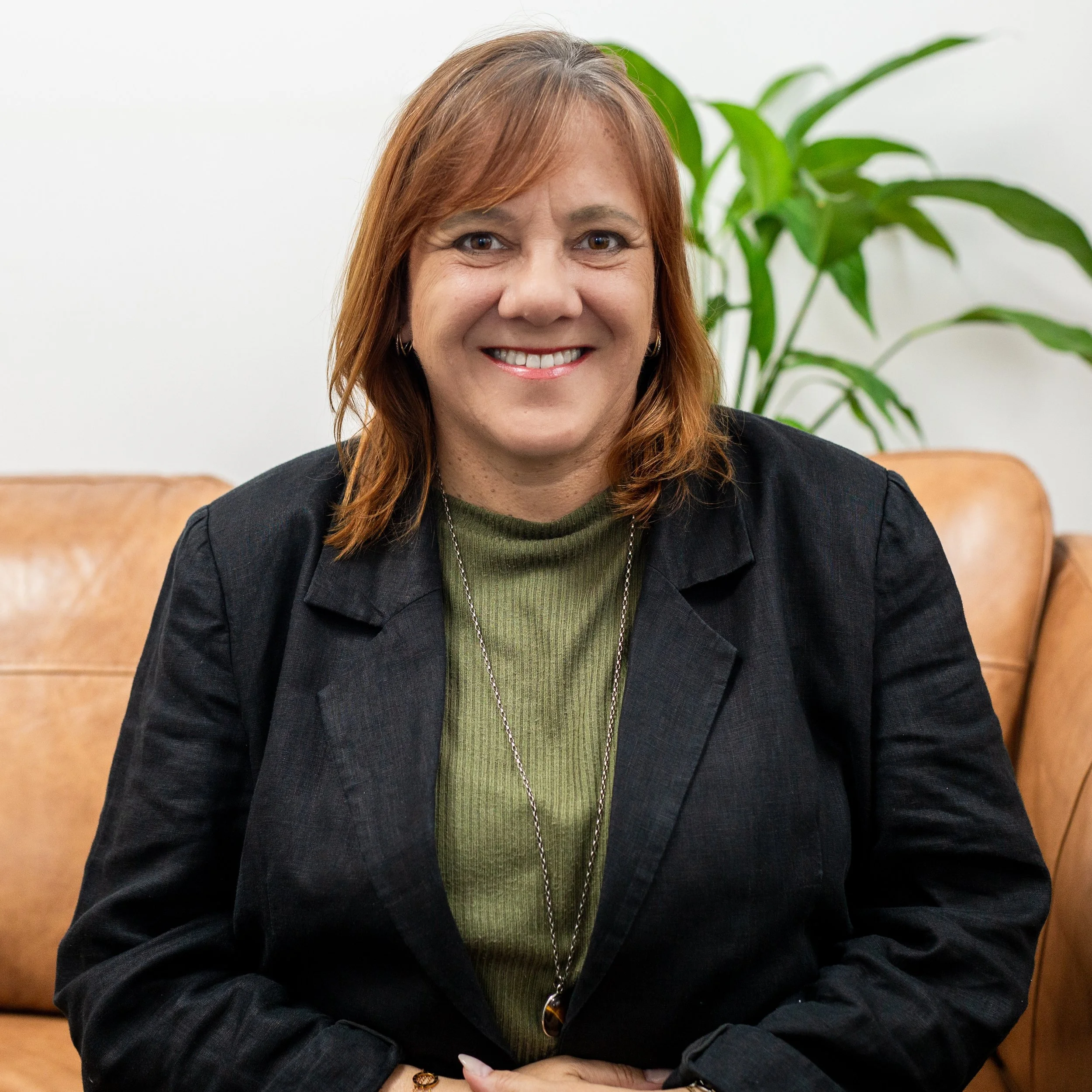
Diana Trim
Psychologist
-
BSC, BED, GDIPPSYCH, BPSYCHSC(HONS), MPP, ASSOC MAPS
Diana brings a wealth of life and professional experience to her role as a Psychologist, having worked extensively in education, business and ministry. Her past leadership roles as a School Principal, business owner, team leader, manager, educator and pastor, have helped hone her unique set of skills, and enables her to connect well with a range of people of different ages and backgrounds.
Diana loves to help people better understand how their mind works and to work with it, not against it, so that they can better navigate whatever obstacles they are facing and to cultivate their best life. Diana creates a safe and supportive environment for people to be able to open up and more comfortably discuss their experiences and challenges.
Diana is integrative and collaborative in her approach, and uses evidence-based therapies, customised to the individual situation. She is able to provide services in English, Afrikaans and Dutch.
Her areas of interest include:
Anxiety and panic
Depression
Life transitions
Immigration challenges
Grief and loss
Workplace stress
Working in education
Psychological assessment
Faith and psychology
